Pay by Mobile Casinos UK: How the Option Works
 Available in GB
Mobile games and phone-bill deposits are separate features, and Payforit is generally reserved for players accessing a casino on mobile.
Table of Contents
- Mobile Slots: The Payment Option Is the Catch
- Pay by Mobile: What You’re Actually Paying With
- How to Check Whether a Casino Accepts Pay by Mobile
- Pay by SMS at an Online Casino: The Confirmation Step
- Pay by Mobile Casinos and GamStop: Don’t Assume the Payment Tells You
- Deposit Limits, Fees and Your First Deposit
- Your Phone Bill Isn’t a Withdrawal Route
- Mobile Slots by SMS: Confirm Before the Funds Move
- Boku Deposits: The £30 Cap and Possible Network Fees
- Pay by Mobile at Virgin Games: Check the Live Cashier
Mobile Slots: The Payment Option Is the Catch
“Pay by mobile slots” sounds like a special category of game. It isn’t. The phrase points to how you fund a casino account, not to a different kind of slot, a separate set of reels or a game designed around your phone bill. Once I stopped reading it as a promise about the games, the wording made more sense.
That distinction matters when you’re looking for a casino to use on your phone. The slots themselves may be playable on a mobile device, while the payment option has its own restriction: Payforit is generally reserved for mobile players. In practice, that means you should think about the device you’re using to access the casino, not assume the payment label describes a special mobile-only slot library.
I’ve fallen for neat labels before. They make an ordinary thing sound like a feature built just for you. “Mobile slots” can suggest a whole package: games made for a handset, payment by phone, perhaps a smoother experience from start to finish. But those are separate questions. A slot game can be available on mobile without being tied to Payforit, and choosing a phone payment method does not turn a standard slot into a different product.
When choosing a UK pay-by-mobile casino, check the payment options available to you and how withdrawals are handled. This list gives you the payout-speed information available for each operator.
Payout speed: 1-3 business days x3bet has a stated payout speed of 1–3 business days. You can use this as a reference when considering withdrawals.
Payout speed: 1-3 business days NightWin has a stated payout speed of 1–3 business days. This gives you a timeframe to consider for withdrawals.
Payout speed: 1-3 business days Amunbet has a stated payout speed of 1–3 business days. You can factor that information into your withdrawal planning.
Payout speed: 1-3 business days WinBeast has a stated payout speed of 1–3 business days. This is the available detail to consider when looking at withdrawals.
Payout speed: 1-3 business days Jetsetspins has a stated payout speed of 1–3 business days. Keep this timeframe in mind when considering withdrawals.
Payout speed: 1-3 business days Chanze has a stated payout speed of 1–3 business days. You can use this as a reference for withdrawal timing.
Payout speed: 1-3 business days EvoSpin has a stated payout speed of 1–3 business days. This provides a withdrawal timeframe for you to consider.
Payout speed: 1-3 business days SpinFormula has a stated payout speed of 1–3 business days. You can take this into account when planning withdrawals.
Payout speed: 1-3 business days Dieselwin has a stated payout speed of 1–3 business days. This is the available information about its payout timing.
Payout speed: 1-3 business days Revery Play has a stated payout speed of 1–3 business days. You can consider this timeframe when looking at withdrawals.
The practical catch is that Payforit is aimed at mobile play. If you’re browsing on a desktop and expect the same phone-payment option to be waiting there, you may be planning around the wrong device. That does not mean the casino has no mobile games, or that a desktop user cannot play slots by another payment route. It means the payment method is associated with mobile players, so the device you use is part of the picture.
I’d keep the terms separate in my head:
- Mobile slots are slot games accessed on a phone or other mobile device.
- Pay by mobile describes a way to fund a casino account.
- Payforit is a payment option generally reserved for mobile players.
They overlap when you play slots on your phone and fund the account with Payforit. They are not interchangeable. That small distinction saves you from expecting every casino with mobile-friendly games to offer the same way to pay, or from assuming a casino’s phone-payment option means every part of its service is built around mobile play.
There’s also a difference between “can play on a phone” and “can use this payment option on a phone.” A casino site may be designed to work on a handset, but that alone does not tell you which payment methods are available to your account. Likewise, seeing a phone-related payment label does not tell you what games the casino offers. The label is about the account’s funding route, not the reels.
For me, the useful question is not whether a slot is a “pay by mobile slot”. It’s whether I’m accessing the casino in the way the payment option is intended to be used. If I’m on my phone, the mobile-only angle is relevant. If I’m at a computer, I shouldn’t treat the phrase as proof that the same option will fit that session. No clever workaround needed; just don’t mix up the game with the way you pay.

This is especially worth remembering when a page uses broad phrases such as “mobile casino” or “mobile slots”. Those can describe games that run on a phone, not a payment promise. I used to read every feature in a casino description as if it applied everywhere, on every device. It doesn’t. A mobile-friendly casino and a mobile-restricted payment method are two different things, even when they appear side by side in the same pitch.
So if you’re looking at pay-by-mobile casinos, read the phrase plainly: it refers to depositing through a phone-related payment option, not a special class of slots. Payforit is generally for mobile players, which makes the device a practical part of the decision. The games remain games; the payment route is the catch.
Not the same thing.
Pay by Mobile: What You’re Actually Paying With
“Pay by mobile” sounds as if you are paying with your phone. More precisely, you are using a phone-linked payment route to fund a casino account. With Payforit, the deposit is charged either to your monthly mobile bill or against your Pay as you Go balance. The phone is the route; the money still comes from your phone account.

That distinction matters if you are comparing a mobile casino payment with a debit card. A phone-billed deposit does not draw directly from your bank account in the same way a card payment does. On a contract, the charge is added to a future bill; on Pay as you Go, it comes out of prepaid credit. It can feel separate from spending on a card, but it is still money you owe or have already loaded onto your phone.
I used to lump every payment with a phone screen into one category. That was sloppy. Payforit, Boku, and an SMS-based payment flow are related ideas, but the names refer to payment services or routes, not a special kind of casino account. The important point here is the source of the funds: your phone bill or mobile balance, rather than a bank card or an e-wallet.
A specialist review describes Boku, e-wallets, and Paysafecard as alternatives to Payforit. They are not all the same thing. Boku is another phone-linked option; an e-wallet is an account used to hold or move funds; Paysafecard is a prepaid payment product. Which of these a particular casino makes available is a separate matter, so the label “pay by mobile” does not mean every phone-related option is interchangeable.
Debit cards are the more familiar comparison. A specialist review says card deposits at UK casinos are free and accepted more widely than Payforit, though that should not be read as a promise about every operator or every account. Current independent reviews also list Visa and Mastercard alongside methods such as Skrill, Neteller and Paysafecard, as well as some cryptocurrencies. Those lists describe reported options, not a guarantee that you will see every method at a casino you use.

There is an important UK distinction around cards, too: credit cards cannot be used to fund online gambling, including by routing the payment through a money service business. A debit card is not the same as a credit card. If you are choosing between phone billing and a card, do not assume that “card” means either type will work.
The appeal of Payforit is easy to understand: it puts the charge on the phone account you already use, or uses credit already held on a pay-as-you-go phone. The trade-off is that it is a narrower payment route than a debit card, and it is not a general-purpose wallet for casino money. That is the bit the phrase “pay by mobile” can hide.
So, when someone says they want a new pay-by-mobile casino, they may mean a casino that accepts Payforit, Boku, or another phone-linked option. They may instead be looking for an SMS-based payment experience. Those are related searches, but they do not tell you which service is involved or where the funds ultimately come from. Read the method name as a clue, not a full description.
A phone-linked payment route where deposits are charged to a monthly mobile bill or Pay as you Go balance.
A phone-linked option that allows deposits, subject to specific transaction caps and potential network fees.
Accounts used to hold or move funds, serving as an alternative to direct phone-billing methods.
A prepaid payment product used as an alternative to mobile-linked payment routes.
Plainly put: phone account, not magic.
How to Check Whether a Casino Accepts Pay by Mobile
A casino can be described as accepting pay by mobile and still not show the option when you check your own account. I’ve learned not to treat a payment-method list as a promise. It may be a useful starting point, but the live cashier is where you need to confirm what is available before deciding whether to deposit.
Start by opening the casino’s cashier while signed in. Look for Payforit, Boku or another clearly labelled pay-by-mobile option among the deposit methods. If it is not there, do not assume it will appear later, or that a result on a comparison page means the method is currently available to you. A specialist review can point you towards a casino to investigate, but it cannot replace the operator’s current cashier.
Check the cashier for your account, not just a page describing the casino in general. The options presented may depend on the account and can change over time. If you are using a particular device, check from that device too; the important thing is to confirm the method in the place where you would actually manage your account. A logo elsewhere on the site is not the same as an available deposit option.
Then read the terms attached to the method before going further. The cashier should be checked for the minimum deposit, maximum transaction value and any fees. Look for the account’s financial-limit controls as well. These details matter even when the payment option itself is visible: seeing a method does not tell you what conditions apply to your account.

I used to take a method’s name on a general payment page as enough. It wasn’t. A stale page or an old review can leave you with the wrong impression, while the current cashier gives you a more direct check. If the cashier is unclear, pause and ask the operator to confirm whether the option is available for your account and what terms apply. Don’t make a deposit just to find out.
It also helps to keep your checks separate. First establish whether pay by mobile is offered to you at all. Then check its transaction conditions and fees, along with your account’s financial-limit settings. If any of those details are missing or don’t match what you were told elsewhere, treat the cashier as the point to resolve the mismatch—not an old description of the casino.
“Accepted” is not a permanent label. Availability and terms can change, so repeat the check whenever you are considering a deposit rather than relying on a previous visit. And if the option is absent, that is a practical answer for the moment: choose only from the methods the live cashier actually presents, after checking their conditions too.
This check is deliberately simple: use the current cashier, read the terms shown for your account, and stop if you cannot establish what applies. No list of casinos can do that last part for you. A method being mentioned somewhere is a lead, not confirmation.
- Check the live cashier while signed in
- Review minimum and maximum transaction limits
- Verify fees and financial-limit controls
- Confirm availability from the device you intend to use
- Rely on general payment-method lists
- Trust outdated reviews or stale pages
- Assume a logo on the site means the method is available
- Deposit money just to check if a method works
Pay by SMS at an Online Casino: The Confirmation Step
A pay-by-mobile deposit is not completed just because you choose Payforit in the cashier. The transaction includes a separate SMS confirmation: you select Payforit, enter your mobile number, receive a code by text, then submit that code to confirm the deposit.
That last step matters. It is the point where you confirm the payment, so read the amount and the details shown on screen before entering the code. I would not treat a text message as a routine prompt to tap through. Check that you started the deposit yourself and that the request matches what you intended.
The flow is straightforward, but it gives you a moment to catch a mistake. If you entered the wrong number, or the confirmation does not match the deposit you began, do not submit the code. Go back to the cashier and check the details rather than trying to guess what the message means.
What happens in the payment flow
First, choose Payforit from the casino’s deposit options. Then enter the mobile number requested by the cashier. The confirmation code arrives by SMS; enter it where prompted to submit and confirm the deposit.
Keep the casino page open while you do this, and use the code only in the payment flow you started. A code is not a general login password. If you did not request a deposit, do not use a message containing a confirmation code to authorise one.
I find that separating the steps helps: selecting a method is not the same as confirming a payment. The SMS is part of the transaction, not a marketing message or an optional extra. Until you submit the code, you have not completed the stated Payforit confirmation process.

If the text does not match
Pause if the message is unexpected, the number on screen is not yours, or you cannot tell which deposit the code relates to. Do not submit it just to see what happens. Return to the cashier and review the transaction you started. If the details still do not make sense, stop there rather than authorising something you cannot identify.
The same goes if you receive a code without having begun a deposit. A text arriving on your phone is not, by itself, a reason to open a casino account or continue a payment. Only enter a code in the confirmation step for a deposit you recognise.
This is also why it is worth checking the cashier screen before switching to your messages: you need to know which transaction you are confirming. Keep your attention on the amount displayed in the payment flow, not on an assumption that every SMS from a payment process must be valid.
For an online casino deposit by SMS, the useful detail is simple: Payforit asks for your mobile number and then a code sent to that number. You submit the code to confirm. Read before you send.
Pay by Mobile Casinos and GamStop: Don’t Assume the Payment Tells You
Pay by mobile describes how a deposit is funded. It does not tell you whether a casino is registered with GamStop. The two things answer different questions, and seeing Payforit or Boku in a cashier is not evidence of a casino’s GamStop status.
GamStop Status
Do not assume a payment method proves a casino’s GamStop status; check the operator’s UKGC licence and GamStop registration directly.
I used to treat a familiar payment option as a kind of stamp of approval. It isn’t. A cashier tells you which payment methods are being offered to your account at that point; it does not, by itself, confirm the operator’s self-exclusion arrangements. The reverse is true too: not seeing a phone-payment option does not establish anything about GamStop.
If you’re checking a pay-by-mobile online casino in the UK, keep the checks separate. Confirm the operator’s current UKGC licence status through the appropriate official information, then check GamStop information directly rather than trying to read it from the payment menu. Remote operators serving the British market must hold a UKGC licence, but a licence and GamStop registration are not interchangeable labels. Don’t let one stand in for the other.
“No wagering” is a separate claim
A search for a pay-by-mobile casino with no wagering can bundle together payment and promotion questions, but they are not the same. The payment option does not establish whether a welcome offer is available, whether phone-funded deposits qualify, or what conditions apply to an offer. Those details belong to the operator’s current promotion terms.
Read the wording before accepting anything. “No wagering” sounds decisive; the actual terms are what matter. If the offer conditions are unclear, don’t assume that choosing a particular deposit method removes them. The cashier and the promotion rules are separate places to check.

The same caution applies to claims that a casino is “not on GamStop”. A payment method cannot verify that claim, and a promotional description is not a substitute for checking the relevant information directly. If you are using GamStop or trying to maintain a self-exclusion, don’t use a different deposit route as a way around it. A new payment option doesn’t change the reason you set that boundary.
I’ve learned not to join dots just because two things appear together on a casino page. Pay by mobile may be listed beside a bonus, or the brand may make a claim about GamStop, but neither arrangement proves the other. Check each statement on its own, and leave the deposit alone if you cannot establish what you need to know.
So, when comparing pay-by-mobile casinos, treat the payment method as a payment detail only. Treat GamStop status, UKGC licensing and promotional conditions as separate checks. That is less tidy than one reassuring badge, but it is a lot harder to misread.
Keep them separate.
Deposit Limits, Fees and Your First Deposit
Before I make a pay-by-mobile deposit, I check the cashier rather than relying on a figure in an old review. The amount you can put in, any fee, and the controls on your account can change. A payment option being displayed is not the same as knowing its current terms.
Look for the minimum deposit and the maximum transaction value shown for the method you have selected. Then check whether a fee applies and whether the cashier shows a financial-limit control for your account. If any of those details are unclear, pause and check the operator’s current terms or ask its support team. A vague memory of what another casino allowed is no use here.
Payforit Limits
Phone-paid services regulators set a hard transaction cap of £30 for Payforit deposits.
Payforit has a specific ceiling: a phone-paid services regulator sets the cap at £30 for each transaction. That is a hard boundary, not an invitation to split a larger deposit into smaller charges. A specialist review gives a typical Payforit minimum in the £3–5 range, but treat that as a reported guide, not a promise about the casino you are using. The cashier’s current minimum is the figure that matters.
Fees deserve the same attention as limits. Do not assume that a deposit is free just because the amount you enter looks straightforward. Check the fee information presented for the chosen method, and make sure you understand the total before confirming. If the cost is not clear, I would leave the transaction alone until it is.
There is another check that matters more than squeezing a deposit through: your own financial limit. New remote customers must be prompted to consider setting one before making their first deposit. Take that prompt seriously. Choose a boundary that fits your finances, not the amount the cashier happens to permit. I have made the mistake of treating an available balance as money I could comfortably lose. It wasn’t.
The operator must also keep account-level limit facilities accessible after that first deposit. So you should be able to find the relevant controls again, rather than treating the first-deposit prompt as a box to tick and forget. If you cannot see where to review or change your limit, check the account tools or contact support before putting money in.

A casino’s transaction maximum and your personal financial limit are not interchangeable. One describes what the payment route may accept; the other is a boundary you consider for your own spending. A low transaction cap does not automatically make a deposit affordable, and a displayed maximum is not a target.
My quick check is simple: current minimum, transaction maximum, fees, and my account limit. If one is missing or unclear, I stop there. No guesswork.
Your Phone Bill Isn’t a Withdrawal Route
Paying from your phone account can make the deposit feel as though the money has simply moved into a casino balance. It hasn’t created a route back the other way. With Payforit, the charge depends on how your mobile service is set up: on a monthly contract, the deposit is added to a future phone bill; on pay as you go, it comes out of your prepaid credit.
That distinction matters when you’re looking at a mobile casino that accepts payment by phone bill. The phone account is the source of the deposit, not a wallet that can receive your winnings. Payforit cannot be used to withdraw casino funds. I’d rather notice that before putting money in than find it out when I’m trying to cash out.
One-Way Route
Pay-by-mobile options like Payforit can fund your account, but they cannot be used to withdraw casino winnings.
A withdrawal has to use a payout option the casino makes available for your account. A specialist review of UK casino payment methods describes possible routes at UK-licensed casinos such as debit card, bank transfer, PayPal, and e-wallets including Skrill or Neteller. Treat that as a set of options to check, not a promise that every cashier offers each one. The live cashier and the operator’s current terms are what matter.
There’s also a practical distinction between seeing a method listed and being able to use it for your withdrawal. Check which payout routes are available after signing in, whether your account details match the chosen route, and whether any identity checks remain outstanding. If you deposited by phone, make sure you can use a separate verified payment method for any payout. Don’t assume the casino will send money back through Payforit just because that was how it arrived.
I’ve made the mistake of thinking about getting money in first and leaving the way out for later. That’s the wrong order. Before depositing, I’d check the payout route for my own account and read the current terms around withdrawals. Methods, fees, limits and processing details can change, so an old review or a payment logo on a page isn’t enough to settle it.
A phone-bill deposit is therefore a one-way payment route in practical terms: it can fund play, but it cannot return casino winnings to your phone bill or prepaid balance. Check the cashier for the withdrawal options you can actually use, rather than assuming they mirror the deposit method. A small check beforehand can prevent an awkward surprise later.
Mobile Slots by SMS: Confirm Before the Funds Move
When you choose Boku to pay for mobile slots, the transaction is not complete just because you have selected a deposit amount. You must confirm it by SMS before the funds move. That pause matters: it gives you a chance to check what you are agreeing to rather than treating the first screen as a final payment.
The exact wording on screen can vary, so read the message and the casino’s payment prompt carefully. If you do not want to proceed, do not submit the confirmation. I have learned not to tap through payment screens on autopilot. It is a small habit, but it can save a confusing charge.
There is another practical check before you begin: your phone credit needs to cover the deposit and any network fee. A specialist review notes that a mobile network may add a processing fee, with the amount depending on the network and tariff. If your available credit only covers the deposit itself, the transaction may not succeed. Check your tariff and available balance first; the amount charged is not necessarily just the figure you selected at the casino.
This applies whether you are looking for mobile slots that accept payment by SMS or comparing casino sites that offer pay by mobile. The phrase can make the payment sound like a simple text, but the confirmation is the point at which you authorise the transaction. Treat it as a payment decision, not as an incidental message.
Payment Confirmation
Choose a mobile payment method like Boku in the casino cashier and enter the deposit amount.
Enter your mobile number and wait for the confirmation code to arrive via SMS.
Read the details in the text message and submit the code to confirm and move the funds.
If the SMS does not arrive, or the confirmation request does not match what you expected, stop rather than guessing. Do not keep trying with different amounts or assume that a failed attempt means nothing happened. Check the casino account and your phone balance before attempting another deposit. If anything looks unclear, contact the operator or your network.
Boku can be a practical option when it is available and your phone credit is sufficient. But “easy” is only a label. The useful check is whether you understand the amount being authorised and can cover the deposit along with any applicable network charge. Confirm only when those details make sense to you.
Boku Deposits: The £30 Cap and Possible Network Fees
A specialist payment-method review describes Boku’s standard maximum as £30 for a single transaction. Treat that as a per-payment cap, not as a promise that a casino will let you deposit that amount: the operator’s cashier still determines whether Boku is available to your account and what deposit values it accepts.

That distinction matters if you are looking for a £5 pay-by-mobile deposit. A smaller payment sits below the reported Boku cap, but the cap alone does not confirm that a particular casino supports Boku or accepts that amount. I’ve learned not to confuse a payment provider’s limit with the rules shown in the casino cashier. Check the live options before you rely on it.
There can also be a charge from your mobile network for processing a Boku payment. A specialist payment-method review says the fee can vary according to the network and tariff. So the amount displayed as your casino deposit may not be the only cost to consider. If you use Vodafone, check the terms for your own tariff rather than assuming the charge will match another network’s.
The practical check is simple: look for Boku in the casino’s current cashier, then read the payment information shown there and any network notice before proceeding. If the cashier does not list Boku, do not assume that a search result or an old review means it is still supported. Availability can change.
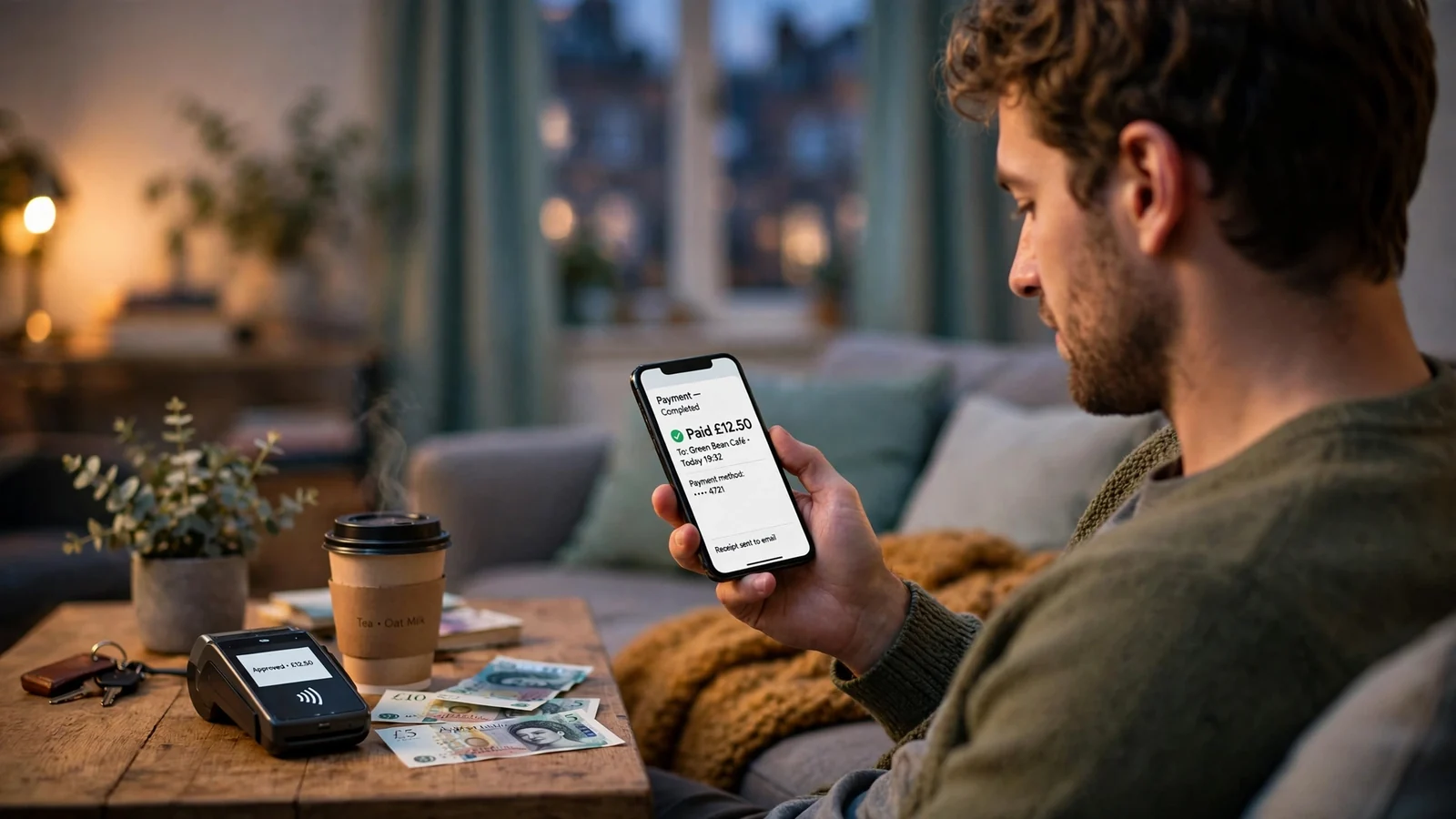
I used to focus on whether a payment button was there and miss the conditions attached to it. The cap and possible fee are separate checks: one concerns the size of a Boku transaction; the other concerns what your network may charge. Neither tells you, by itself, whether Boku is currently offered to your account.
Small print matters.
Pay by Mobile at Virgin Games: Check the Live Cashier
Virgin Games is one name that comes up when you’re looking for a casino where you can deposit by mobile. A specialist review reports Payforit as an available cashier option there, but that is a snapshot, not a promise about what you’ll see when you log in. Payment options can change.
I’ve learned not to treat a review page as the final word. Open the Virgin Games cashier on your own account and look for Payforit among the deposit methods before you commit to a payment. If it isn’t listed, don’t assume you can force the option through another route. Pick a method the cashier actually offers instead.

That is the useful distinction: a casino may have been reported as supporting Payforit, while your live account screen is what matters for a deposit today. Access can depend on the operator’s current arrangements and the options presented to your account. A page saying “pay by mobile” can go stale. The cashier is the check.
If you’re new to the account, take the financial-limit prompt seriously before making your first deposit. And make sure you are dealing with an operator holding a UKGC licence; legal online gambling in the UK is limited to licensed sites. No payment logo changes that.
So, if Virgin Games is on your shortlist, check its live cashier first. If Payforit appears, read the displayed terms before proceeding. If it doesn’t, that answers the question for your account at that moment. No guesswork.
Are Visa and Mastercard deposits definitely debit cards?
Yes. UK-licensed casinos cannot accept credit-card payments for gambling, so Visa or Mastercard deposits must be made using a debit card.
What is the maximum I can deposit with Boku at a UK casino?
Boku deposits are capped at £30 per transaction.
Are there fees for using Boku at online casinos?
Your mobile network may charge a processing fee, which varies by network and tariff. Make sure your phone credit covers both the deposit and any network fee.
Which UK casinos still accept Payforit in 2026?
Payforit is listed at the cashiers of Kwiff, NetBet, JackpotJoy and Virgin Games.
Created by the ”Tenobet Casino 2” editorial team.